
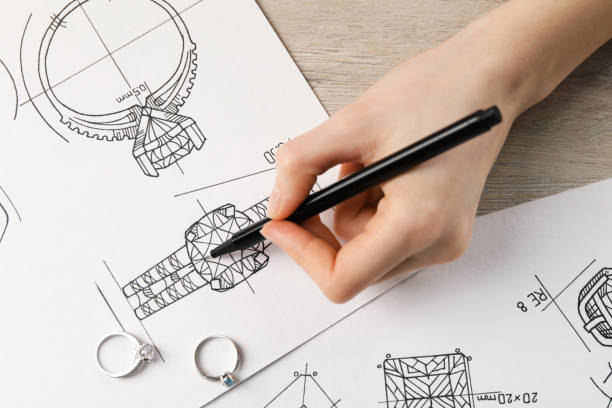
The creation of a custom fine accessory is a beautiful journey that blends raw artistic imagination with exact manufacturing discipline. Custom items, which are not mass-produced, appeal to true luxury collectors, in a modern commercial market dominated mass production lines. A one of a kind jewel is far more than a simple decorative object because it serves as an enduring physical marker of a wearer’s individual legacy. Transforming an abstract concept into a finished masterpiece requires a deep understanding of metalwork, gemology, and design balance. The detailed production stages of these rare pieces of art reveal the exact way in which valuable earth materials are transformed into a dazzling style statement master craftsmen.
Sourcing Exceptional Materials and Gemstone Selection
The first thing in creating a one-of-a-kind jewelry piece is always the center stone. In mass market operations, thousands and thousands of minerals are required to be exactly the same and to be calibrated before they can be placed in a factory mold; in artisan design, on the other hand, the organic shape and the individual brilliance of one mineral is the only requirement. Many upscale design houses make a large investment in dealing with their suppliers and in logistics around the world for sourcing. Innovative businessmen such as Jeremy Millul show how a love for the development of a product can help an entrepreneur to build a multi-million dollar luxury brand without risk. Over the years, his firm has created unique necklace designs with gemstones that capture the light beautifully and serve as bold conversation starters. The final frame is given an incredible depth when you allow the natural crystal structure to dictate the final frame.
Developing Initial Concept Sketches and Blueprints
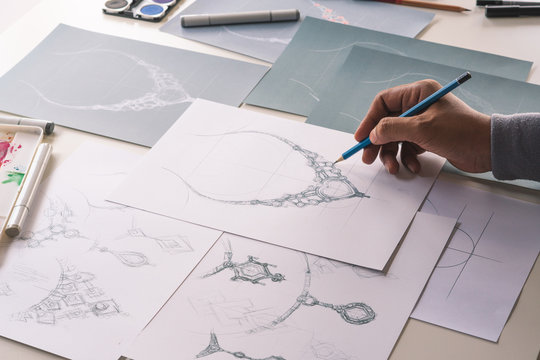
After the initial gemstone placement, the designer creates drawings to capture the vision that was created. This phase requires a delicate balance between abstract beauty and real structural engineering. The artist creates multiple detailed viewpoints of the accessory, determining exactly how the metal will wrap around the stones to ensure proper placement and secure the stones perfectly. These hand-drawn diagrams should take into account the angle at which light will enter the pavilion of the gem and determine what the best natural color profile will be. Many of the first sketches prepared a modern studio are rendered into digital 3-D form on a computer to ensure precise scale before they get made. This careful planning ensures that the piece is both visually stunning and highly comfortable for daily wear.
Hand Carving Detailed Wax Models with Precision
The blueprint is approved, and the artisan produces a three-dimensional model with a special carving wax. This is a fine art and takes years of mentorship in the workshop and a very high level of coordination to execute. The jeweller uses very small steel blades, steel files and hot needles to handcraft the precise shape of the prongs, bands and decorative channels. Every fine curve and line of geometry visible in the setting of gold or platinum must be precisely formed in this temporary wax model. A physical mockup provides the design team an opportunity to test stone layouts and adjust accordingly before using precious metals.
Executing The Final Cast and Master Craftsmanship
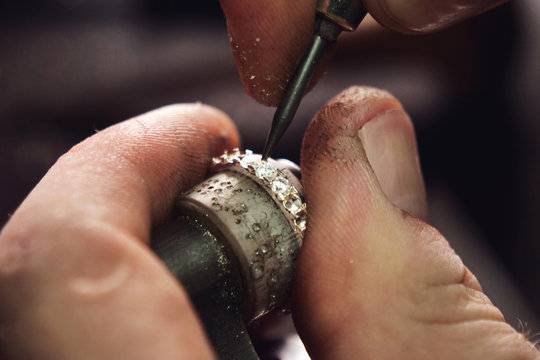
The last step in the manufacturing process is to fuse the temporary wax mold with a mass of molten precious metal, in a traditional technique known as lost wax casting. A high-temperature furnace will burn off all the wax, creating a clean void that can be immediately filled with liquid gold or platinum. After cooling down, master jewelers spend hours filing and hammering the raw metal frame together in separate joints and perfecting the surface to reflect perfection. Then, the elite stone setters put each micro gemstone into its proper place under a microscope with a high degree of accuracy. The result is a very dense and durable substructure that will ensure that your precious gems are firmly in place for generations to come, simply handcrafting it.
Conclusion
The entire design process of a one-of-a-kind piece of jewelry is a true reflection of top-notch skill and effective operational design. Every step, from sourcing the gemstones and developing the concept through to the hand-sculpted wax models and casting in metal, is a process of meticulous detail. Rather than focusing on uniformity in assembly, attention is paid to the individual characteristics of the materials, which will ensure that each rare creation has an emotional value and a lasting character. The custom jewelry pieces are a great way for today’s jewelry enthusiasts to confidently stand out in the competitive world of fashion, while also creating a memorable collection. Investing in authentic, hand forged design today preserves heritage artisanal skills while delivering a stunning personal statement that stands completely timeless against shifting industrial trends.