
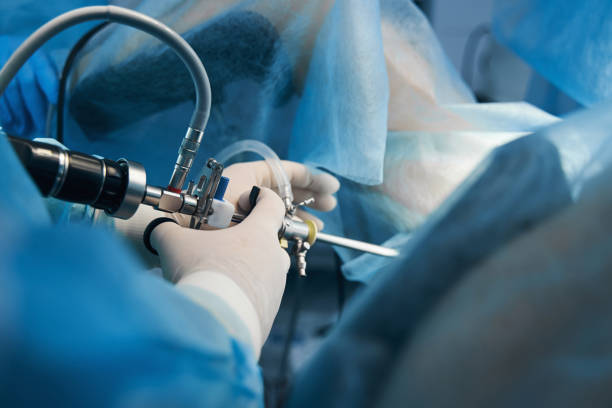
Surgical medicine has advanced dramatically over recent decades, transforming how healthcare providers manage complex internal conditions. Previously, conventional open surgery surgeries used to involve a large incision, which led to a lot of trauma, increased risk of infection and prolonged hospital stays. With today’s innovative technology, specialized surgical teams can now perform complex surgeries via small keyhole incisions. Advancements in medical technology are continually evolving, and the future of minimally invasive surgery offers the potential for even greater precision, shorter recovery periods and enhanced safety for patients in healthcare settings around the world.
Stepping Toward Precision and Smaller Incisions
The basic advantage of minimally invasive therapy is that the extensive open cuts are replaced small, precise ones. Performing operations through miniature incisions drastically reduces physical damage to surrounding healthy muscles and soft tissue during complex internal procedures. Clinical experts and surgical profiles like https://www.linkedin.com/in/dr-omar-marar-099140b9/ demonstrate how specialists apply these advanced techniques to treat and manage complex colorectal conditions, including gastrointestinal cancers and structural bowel disorders, with exceptional accuracy. A low level of physical disruption at surgery directly results in a low level of pain following surgery, low level of surgical scarring and less overall risk of a surgical wound problem, which in turn will help your patient to recover quickly.
Robotic Assistance and Enhanced Surgical Visualization
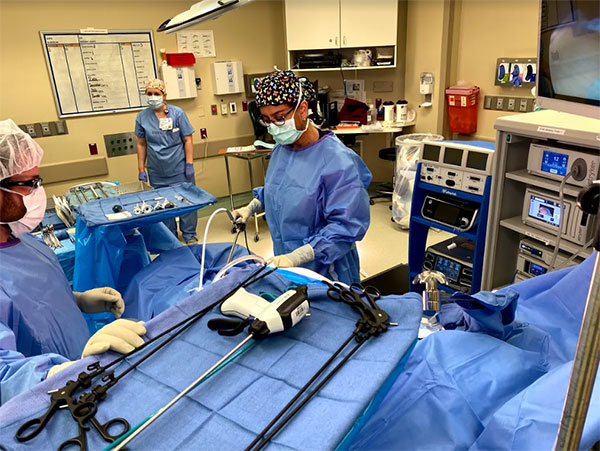
Robotic platforms represent a major pillar in modern operative care, offering surgical teams unprecedented mechanical control and visual clarity. The high-definition camera systems allow doctors during surgery to see the fine details of delicate internal anatomy in 3-D, revealing intricate nerve pathways, tissues and small blood vessels in extreme detail. Also, robotic arms for instruments eliminate the natural shaking motion of human hands and provide greater freedom of motion in small physical spaces such as the human pelvis. Such mechanical features enable the specialists to safely access difficult anatomical areas to remove disease with the minimum of damage to surrounding structures without compromising their long-term health.
Advanced Endoscopy and Early Diagnostic Interventions
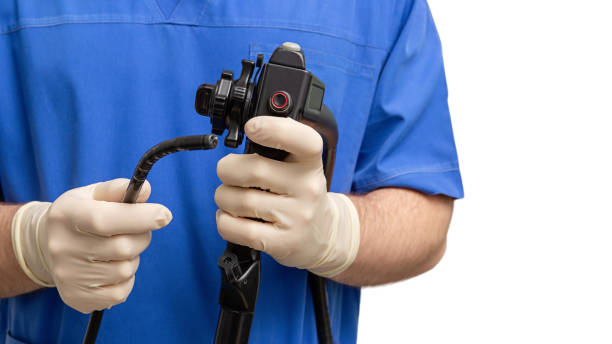
Advanced therapy and diagnosis with endoscopy are part of minimally invasive technologies, which goes beyond surgical repair. The flexible endoscopes currently on the market include a high-resolution imaging sensor, and they also use narrow-band light filters to reveal the internal mucous membranes at an unprecedented level of detail. In specialized gastrointestinal care, routine endoscopic procedures like colonoscopies allow doctors to identify and remove precancerous polyps before they turn into aggressive malignancies. Combining real-time diagnostic tools with immediate therapeutic interventions prevents major health complications early, sparing patients from undergoing extensive open operative procedures later in life.
Modernized Recovery Frameworks and Patient Outcomes
Future surgical treatment links surgical operating room techniques and technologies with holistic recovery plans. Ensured standardized clinical care guidelines, including enhanced recovery protocols, every aspect of the patient journey is optimised before and after the patient’s intervention. Minimally invasive surgical methods and well-defined pain management and early physical mobility protocols are used in combination healthcare providers to promote faster healing. Minimizing physical surgical stress enables people to return to a normal diet and be able to walk about without any difficulty within days of their surgery. The systematic program helps to decrease overall hospital stays, readmission rates and overall patient satisfaction.
Conclusion
As the field of minimally invasive surgical treatment continues to advance, there are ever higher standards for patient care, clinical precision, and procedural safety. The use of small incisions, robotic surgery, innovative diagnostic endoscopy, and organized recovery care are just a handful of technological innovations that reduce the workload for patients undergoing surgery. As these medical tools continue to advance, individuals facing complex health conditions can look forward to safer procedures, quicker recoveries, and an overall higher quality of life following their surgical treatment.